
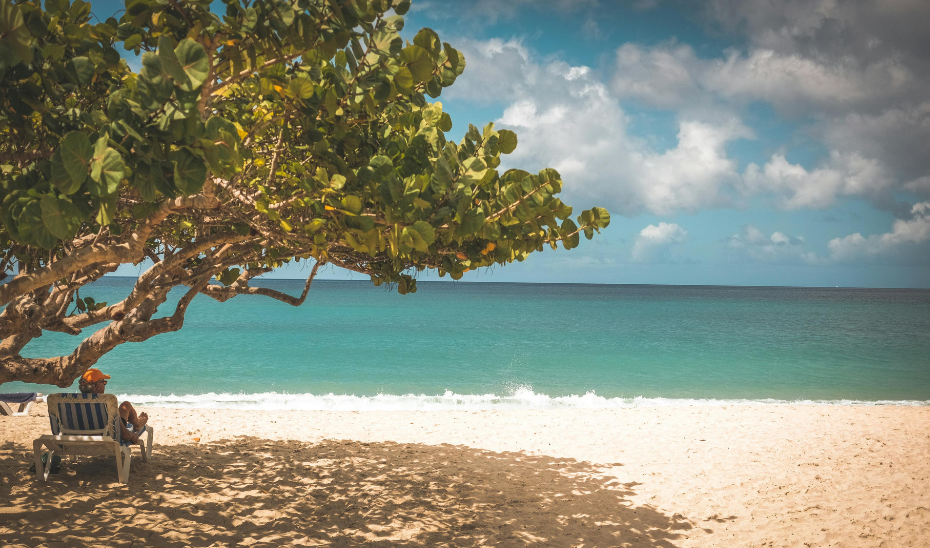
Grenada remains generally safe and welcoming for tourists in 2026, including solo travelers, but visitors now need to factor in an updated U.S. Level 2 travel advisory that highlights crime risks and calls for increased caution rather than avoiding the island. With smart precautions, awareness of the advisory, and a bit of planning, travelers can still enjoy Grenada’s beaches, culture, and festivals while staying secure.
Is Grenada Safe for Tourists in 2026?
Short answer: Yes—generally safe for most tourists who use normal street smarts and understand what the new U.S. Level 2 advisory actually means in practice. Petty theft and some opportunistic crime exist, but violent crime against visitors remains relatively uncommon, and tourism continues to grow with strong demand for Grenada’s beaches, diving, and festivals.
In January 2026, the U.S. State Department raised Grenada’s advisory from Level 1 to Level 2: Exercise Increased Caution due to crime. This is not a “Do Not Travel” warning; instead, it tells travelers to treat Grenada like a small city trip—stay aware, avoid risky situations, and follow the same safety habits you would use in many popular destinations worldwide.
What the 2026 US Travel Advisory Really Means
The current U.S. travel advisory states that violent crime can occur anywhere in Grenada and notes that American citizens have been victims of armed robbery, assault, burglary, and sexual assault. At the same time, the advisory’s guidance is very practical: secure valuables, avoid walking alone at night in dimly lit or isolated areas (including beaches), and travel in groups when possible.
Level 2 is a common rating for many heavily visited destinations, from parts of Europe to other Caribbean islands, and does not tell travelers to cancel plans. Grenada’s government and tourism officials have publicly pushed back on the tone of the advisory, stressing that extra security measures are in place, tourism remains a vital and active sector, and the island continues to be a friendly, welcoming place for visitors.
Crime, Safety & Why Grenada Still Feels Relaxed
Recent crime data show a slight uptick in overall reported crime in Grenada in 2024, but rates remain lower than in many neighboring islands, and the country has seen long-term declines from earlier peaks. The main issues that affect visitors tend to be property crimes such as theft from hotel rooms, rental cars, and yachts, alongside opportunistic pickpocketing in busy areas or during big events like Carnival.
Grenada’s social atmosphere is still very community‑oriented and warm; tourists often comment that locals are approachable, helpful, and proud to share their culture and food. Use the same common sense you would in any small city: keep your bag closed, don’t flash expensive jewelry or large amounts of cash, and stick to busy, well‑lit areas at night, especially in and around St. George’s, Grand Anse, and major fetes.
Key 2026 Basics: Entry, Timing & Practical Safety
Entry: Many nationalities receive visa‑free stays for around 90 days; your passport should be valid for at least six months beyond entry and you may be asked for proof of onward travel.
Timing: Atlantic hurricane season runs June–November, with calmer, drier months from December–April ideal for beach time and touring.
Accommodation security: Choose places with solid door and window locks, safes, and good reviews mentioning safety, then use those safes for passports, spare cards, and larger cash amounts.
Before you book, reconfirm entry requirements and any updated advisories from your country’s foreign office so your information is current to your actual travel dates.
Solo Travel in Grenada
Grenada continues to be a strong choice for careful solo travelers, including solo women who prefer smaller islands with a calmer pace over party‑heavy destinations. In daytime, main areas such as Grand Anse, Morne Rouge (BBC), and central St. George’s feel relaxed, especially along busy beach strips, popular cafes, and university‑adjacent areas like True Blue.
At night, the safest approach is to stick to lit, busy places, pre‑plan your ride, and avoid isolated stretches of beach or back streets alone. Use licensed taxis or trusted drivers, keep drinks in sight at bars or fetes, and be direct in shutting down unwanted attention; Grenadian culture is friendly, but clear boundaries are respected when communicated firmly.
Smart solo habits:
Share your live location with a friend or family member while out.
Agree on a check‑in schedule if you are out late for events like Spice Mas or club nights.
Keep copies of your passport and key documents backed up digitally and stored separately from originals.
Health, Mosquitoes, Dengue & Clinics
The wider Caribbean continues to monitor dengue fever and other mosquito‑borne illnesses, with public‑health campaigns encouraging communities and visitors to reduce standing water and protect against bites. Grenada periodically conducts fogging in certain neighborhoods, but travelers should still bring effective repellent (20–30% DEET or picaridin), wear long sleeves and pants at dusk, and sleep in screened or air‑conditioned rooms where possible.
Around Grand Anse and St. George’s, visitors have access to private medical services such as St. Augustine’s Medical Services (SAMS) with 24/7 emergency care and smaller clinics and GP practices near the main tourist strip. Travel insurance that covers medical care, evacuation, and trip interruption is strongly recommended, especially during hurricane season or for travelers with pre‑existing conditions.
Hurricanes, Climate & Why Trips Still Make Sense
Grenada lies toward the southern edge of the hurricane belt, which historically means fewer direct hits than some northern Caribbean islands, but powerful storms such as Hurricane Beryl in 2024 are an important reminder that serious systems can still pass through. The island’s tourism sector has shown resilience, with visitor arrivals rebounding quickly after Beryl and even exceeding 2019 numbers in mid‑2024, reflecting continued global demand and confidence in Grenada as a destination.
If you visit during the June–November hurricane season, monitor forecasts, share your local contact details with family, and choose flexible booking options and travel insurance that covers weather disruptions. For those who want the calmest weather and the classic “dry season” beach experience, December–April remains the most popular window, especially for North American and European visitors escaping winter.
Alcohol, Beaches, Drugs & Local Laws
Beach bars are a beloved part of Grenadian life, and enjoying a rum punch at a licensed venue on or near the sand is completely normal—as long as you stay respectful and avoid public intoxication or risky behavior like swimming drunk or leaving valuables unattended. Local by‑laws can vary around glass bottles, noise, and event rules, so follow posted signs and staff guidance.
Cannabis remains illegal as of early 2026, despite ongoing discussions and draft legislation exploring limited decriminalization for adults. Possession and use can still lead to arrest, fines, or a criminal record, and foreign travelers are highly advised to avoid purchasing or carrying cannabis products during their stay.
Money, Transport & Everyday Practicalities
Grenada is largely cash‑and‑card friendly, with ATMs in St. George’s, Grand Anse, and major commercial areas, though smaller vendors and some guesthouses still prefer cash. Use small bills for taxis, market stands, and roadside snacks, and keep your main stash, backup cards, and passports locked in your room safe rather than on your person.
At night, prioritize licensed taxis or pre‑arranged drivers rather than walking long distances, especially between bars, events, or quieter accommodations. Confirm fares before the ride, use official taxi stands where available, and consider local SIM cards or e‑SIM data plans so you can access maps, contact your driver, and check real‑time information easily.
Power, Etiquette & Blending In
Grenada uses Type G plugs (three rectangular pins) with 230V, 50Hz power, so most North American visitors will need a Type G adapter and should check that key devices are dual‑voltage before plugging them in. High‑draw appliances like hair dryers or irons may require a voltage converter if they do not support 220–240V input.
Culturally, beachwear is for the beach—cover up with a light dress, shirt, or sarong when leaving the sand to enter shops, buses, or government buildings, as locals value modest dress in town. Always ask before photographing people, especially during cultural events and traditional Jab Jab celebrations, and greet staff and vendors courteously; a simple “good morning” or “good afternoon” goes a long way in Grenada’s community‑focused culture.
Pro‑Grenada, Pro‑Safety Takeaway for 2026
Despite the new U.S. Level 2 advisory, Grenada remains one of the Caribbean’s more relaxed and rewarding islands for visitors who combine curiosity with common sense. With awareness of crime precautions, hurricane timing, health basics, and local etiquette, travelers can still enjoy warm hospitality, vibrant culture, and some of the region’s most beautiful beaches while staying safe and confident in 2026.

