Grenada didn’t get the memo that a country is only supposed to have one perfect beach. Instead, it went full overachiever and sprinkled postcard coves, wild Atlantic rollers, turtle-nesting sanctuaries, and “is-this-even-real” sandbars all the way around the island (plus its little sister, Carriacou). Whether someone is a hammock enthusiast, snorkel addict, or sunset professional, there’s a stretch of sand here that feels suspiciously like it was designed just for them.
Grand Anse: The Show-Off
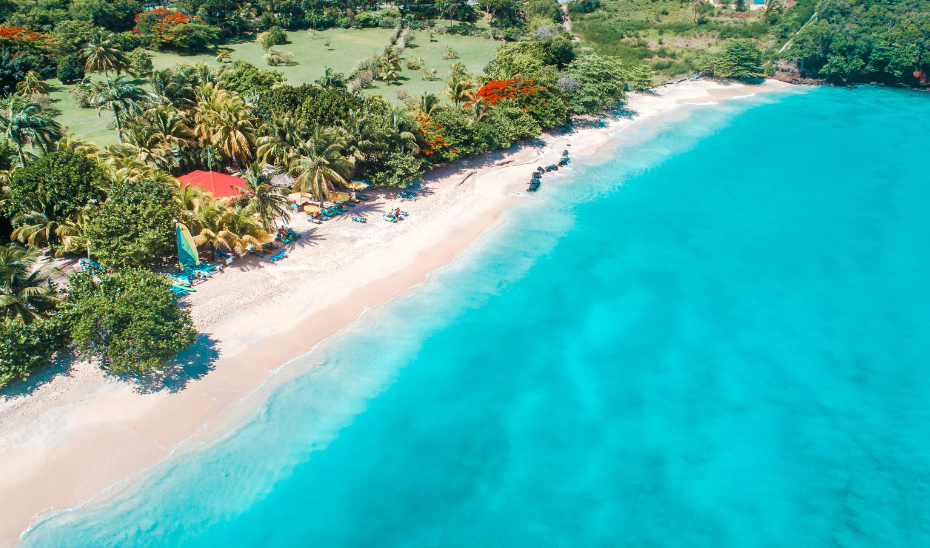
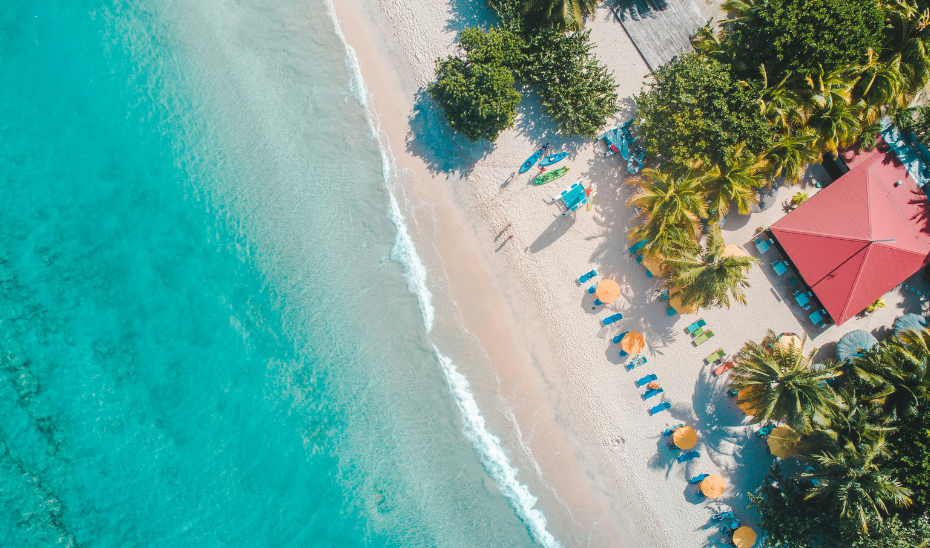
If beaches were in high school, Grand Anse would be the popular one that’s somehow annoyingly perfect and genuinely nice. This two-mile sweep of soft white sand on the southwest coast is Grenada’s headliner, frequently ranked among the most beautiful beaches in the Caribbean and even in the world. Calm turquoise water, coconut palms, and views of St. George’s on the hillside behind it all make it feel like it was focus‑grouped for screensavers.
Grand Anse is where first-timers usually fall in love with Grenada:
The water is calm enough for casual swimmers, kids, and “I-just-came-for-the-photos” visitors.
Snorkeling, kayaking, paddleboarding, and boat trips all launch from this bay, so the only real decision is whether to float, paddle, or nap.
By day it’s a mellow mix of locals, cruisers, and long-stay visitors. By golden hour, it feels like half the island quietly agreed to gather for sunset and a drink.
Morne Rouge (BBC Beach): Grand Anse’s Chill Younger Cousin
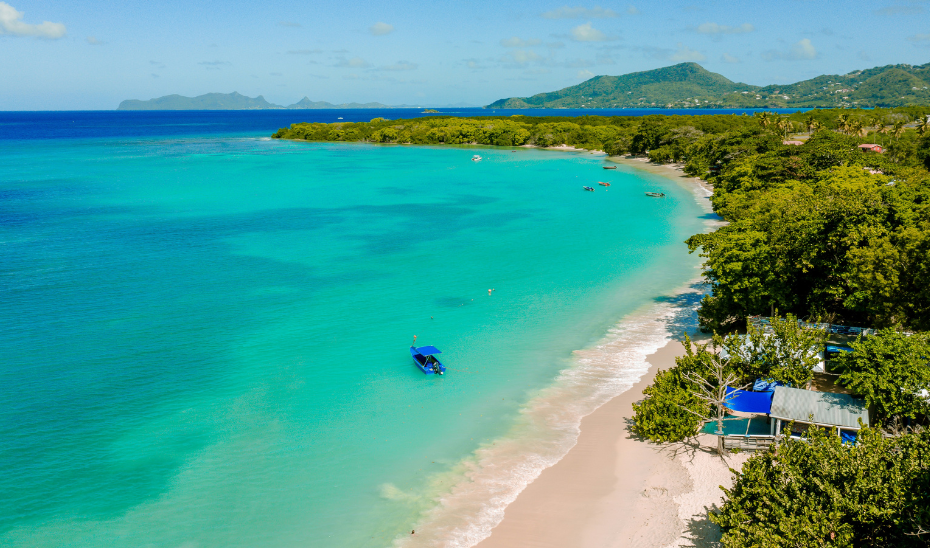
Just around the headland from Grand Anse, Morne Rouge—known locally as BBC Beach—has big “if you know, you know” energy. It’s tucked into a horseshoe bay, which keeps the water shallow, glassy, and incredibly calm, like a natural infinity pool that someone forgot to fence off.
This is the place for:
Families with kids, thanks to the gentle surf and easy entry.
Snorkelers and kayakers, who can drift over seagrass beds and spot starfish and small reef fish with almost no effort.
People who like Grand Anse but wish someone hit the “less people, more chill” button.
A handful of beach bars, trees for shade, and clear views across the bay make BBC feel intimate without being remote—perfect for the kind of day that begins with “let’s just check it out” and ends with “how is it sunset already?”
Magazine Beach: The Overachieving Middle Child
Head a bit further along the south coast and Magazine Beach shows up like the friend who claims to be “low-key” but somehow organizes the best parties. This golden arc of sand backs onto shady trees and a lively reef just offshore, making it a favorite for swimmers and snorkelers.
Magazine Beach hits a rare sweet spot:
Close to the airport and some resorts without feeling overcrowded.
Good mix of reef exploring and “do absolutely nothing but listen to waves” energy.
It’s popular with yacht guests, locals, and visitors who want a beautiful setting with just enough going on to justify staying all afternoon.
Lance aux Épines: The Quiet Overachiever
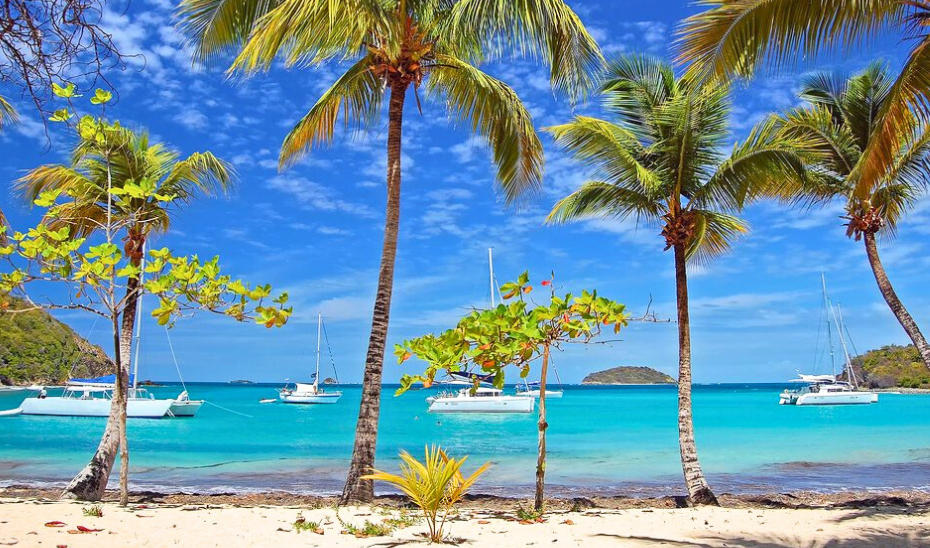
On Grenada’s southern tip, Lance aux Épines curves around Prickly Bay with narrow white sand, calm water, and rows of moored yachts doing their best to show off. This is more “I live here now” vibes than “tour bus stop.”
From this shoreline, swimmers slip into warm, sheltered water while divers and snorkelers head out with local operators to nearby reef and wreck sites. It’s a great choice for:
Long, lazy swims along the shoreline.
People who like beaches with a marina‑adjacent, “I-could-buy-a-boat-one-day” daydream built in.
Bathway: Where the Atlantic Shows Some Personality
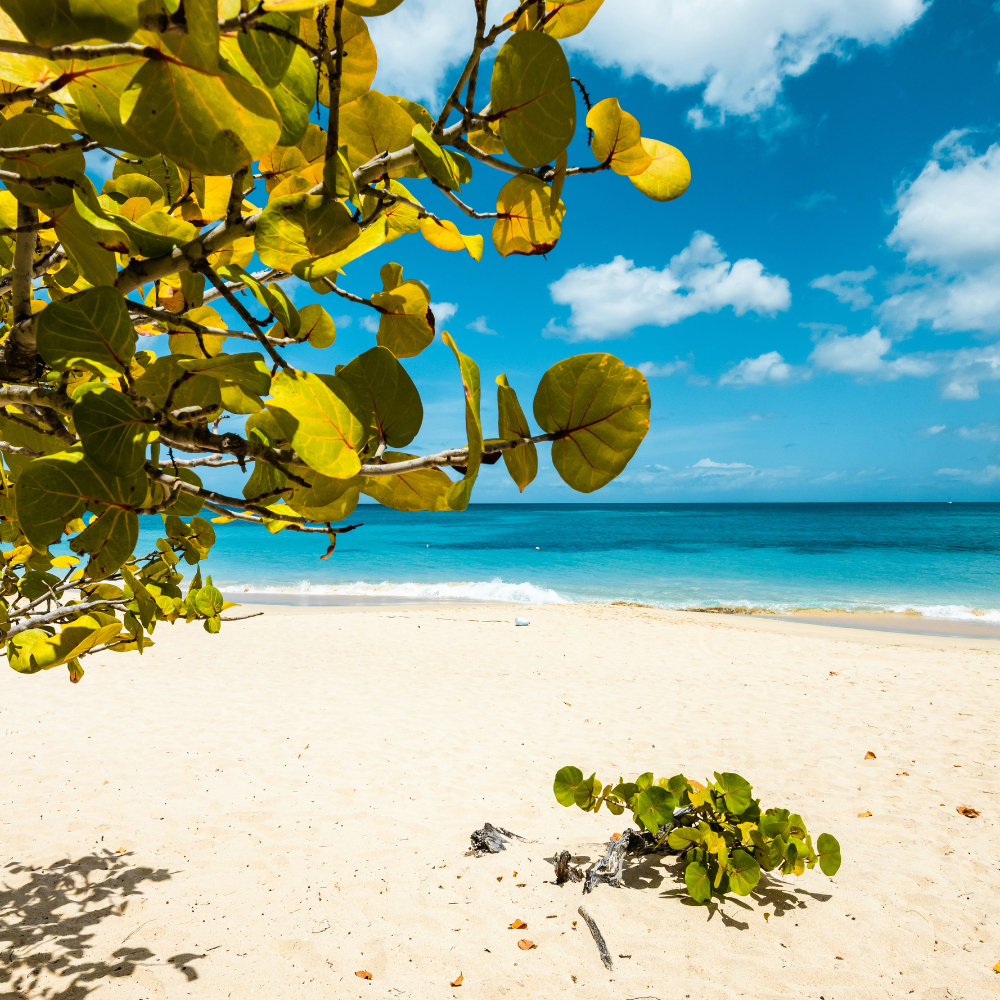
Drive up to the northeast coast and the Caribbean’s polished resort mood gives way to the Atlantic’s “I lift heavy waves for fun” personality. Bathway Beach rolls out golden sand edged with rock formations and backed by sea-grape and almond trees that double as shady picnic spots.
A natural reef offshore knocks the worst of the swell down, creating a protected swimming area when conditions are right, but this isn’t a mindless float zone. Locals often gather here on weekends with coolers, cookouts, and music, giving visitors a more down-to-earth, community feel compared to the resort areas further south.
Levera: Dramatic, Wild, and Not Here to Babysit You
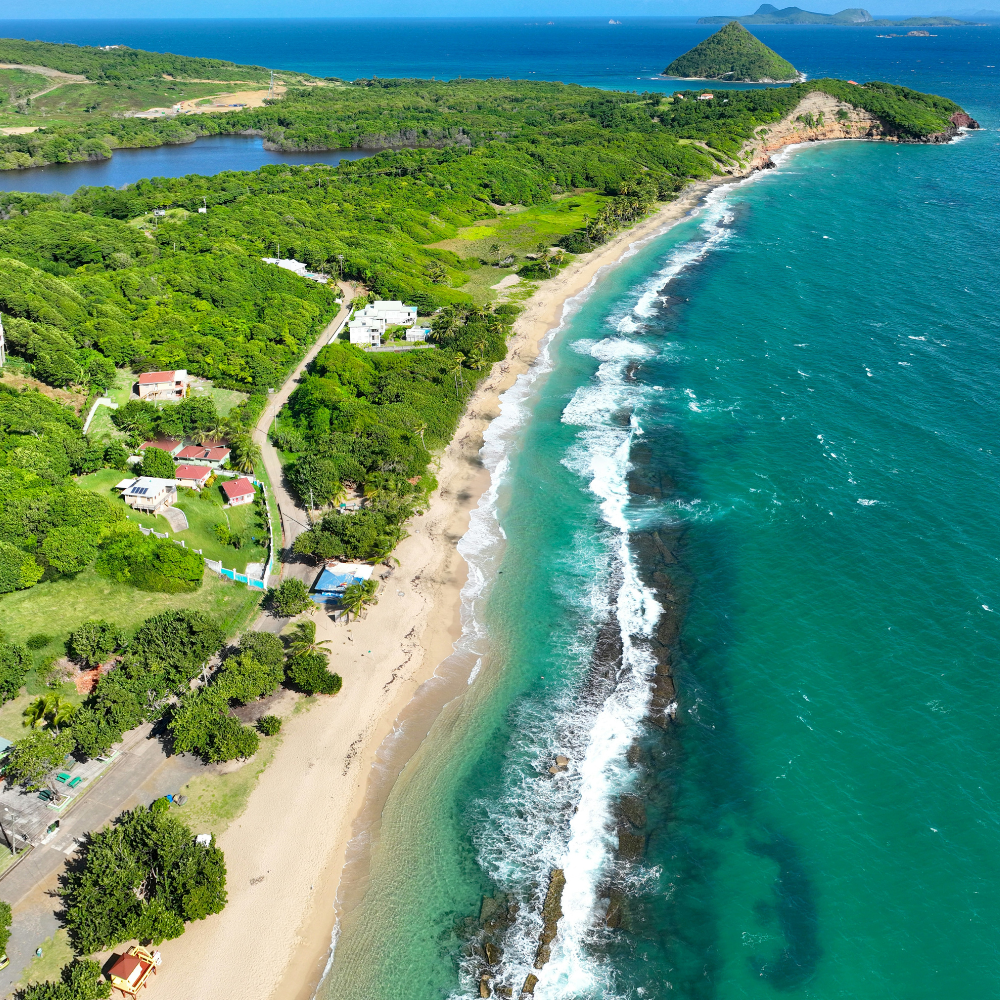
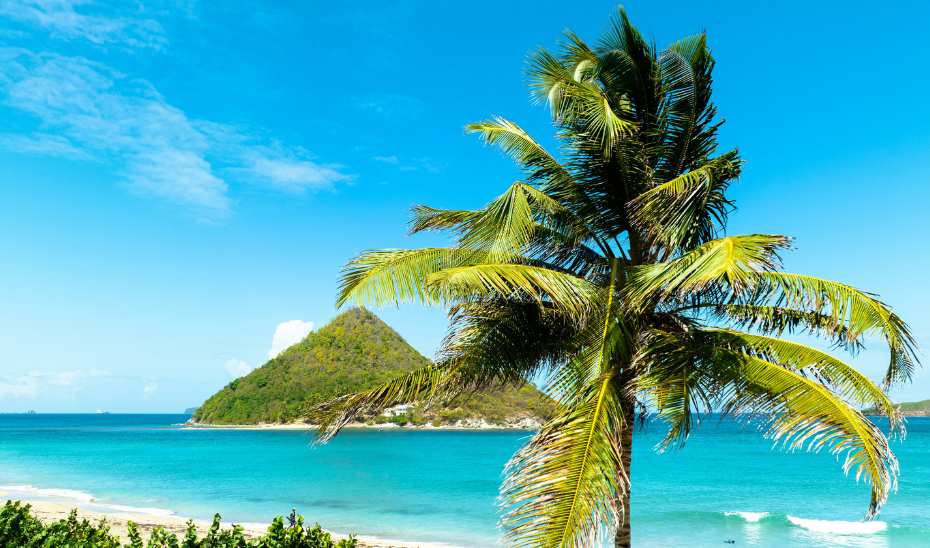
Keep going around the northeastern tip and Levera Beach takes things up a notch—rugged, cinematic, and proudly untamed. Backed by Levera National Park and facing offshore islands, including Sugar Loaf, it’s the kind of place that makes cameras run out of battery at the worst moment.
Levera is not a swimming playground; strong currents and heavy surf put it firmly in the “look, walk, breathe it in” category. Instead, it’s known for:
Sea turtle nesting (particularly leatherbacks in season, with guided night tours).
Windy, wave‑crashing walks that feel like a nature documentary audition.
It’s the beach you visit when you want to remember the ocean is still very much in charge.
Duquesne Bay: Ruins, Fishing Boats, and Secret History
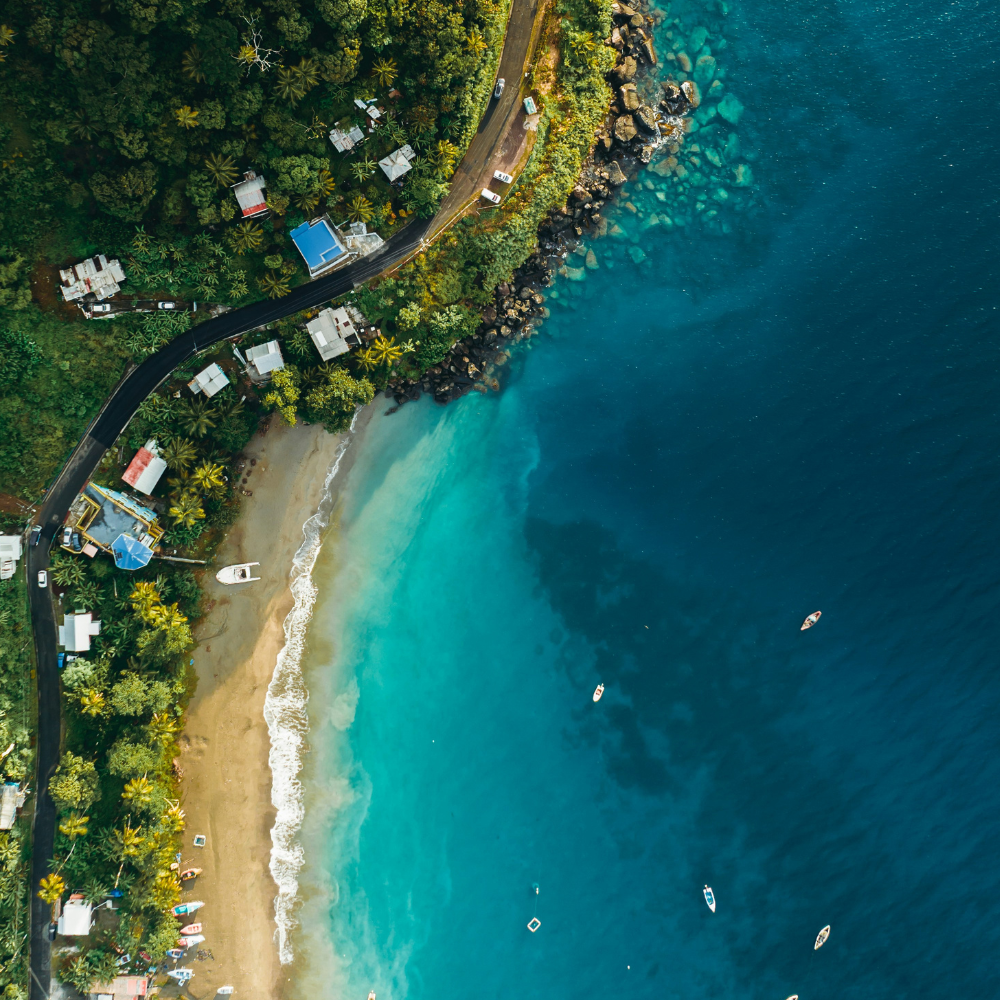
On the northwest coast, Duquesne Bay mixes calm, swimmable water with café‑au‑lait sand and fishing boats tucked under palms. At first glance it feels like a quiet village beach. Look closer and the past literally appears in the cliffs: petroglyphs—ancient rock carvings—left by Indigenous peoples long before Instagram existed.
Here, visitors can:
Watch fishermen mend nets and launch their boats.
Take slow swims in the bay when the sea is calm.
Combine a low-key beach day with a little unexpected archaeology.
La Sagesse: The Romantic Hideout
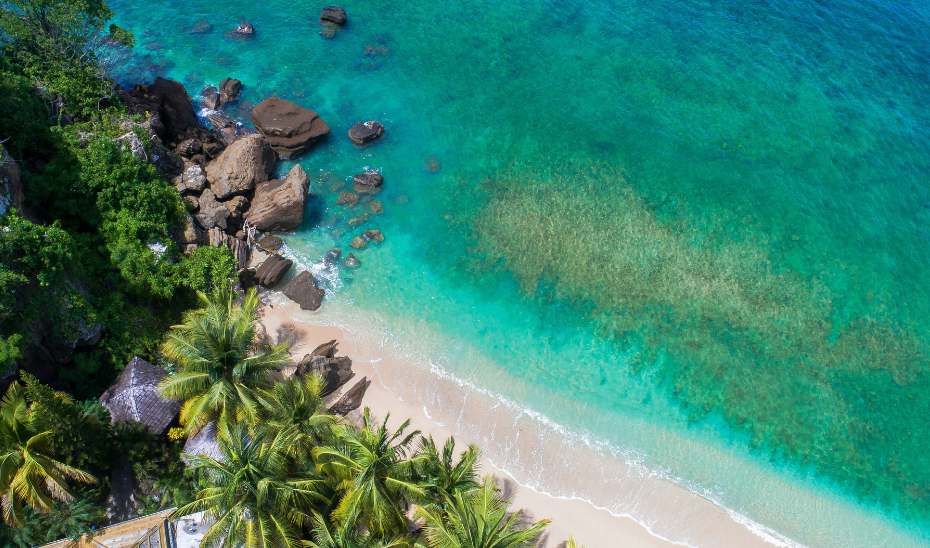
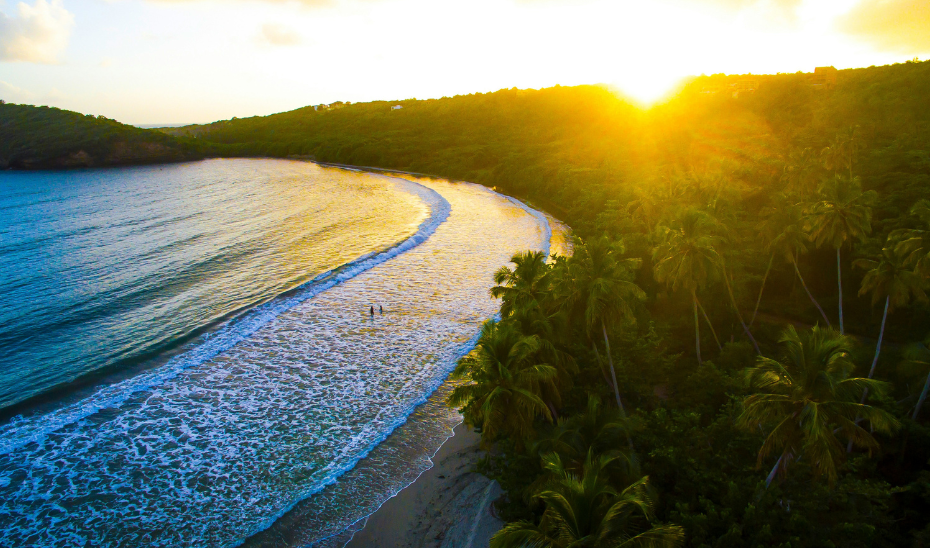
La Sagesse, on the southeast coast, is the sort of beach that makes couples suspiciously interested in “just going for a walk.” A crescent of golden sand curves between low headlands, with a lagoon and mangroves just behind, making it feel secluded without being unreachable.
The surf here is livelier than the southwest’s lagoon-like bays, so it’s better for confident swimmers on calmer days. But for walking, photographing, and pretending to be in a travel magazine, it’s hard to beat. A small eco‑style inn and restaurant nearby completes the “do we really have to leave?” package.
Hog Island: The Barefoot Side Quest
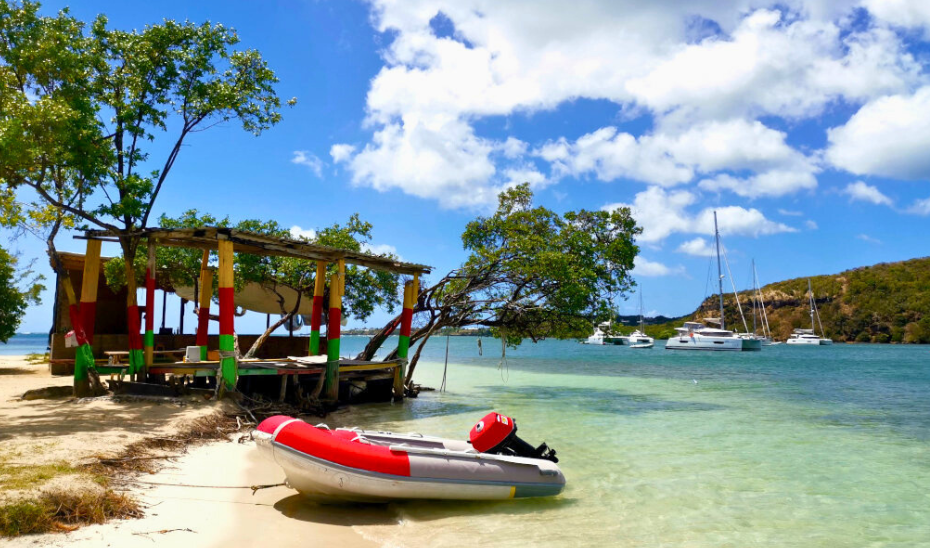
Off the south coast, Hog Island is what happens when a beach decides shoes are optional and so is a plan. Accessible by boat or a bit of adventurous walking, it’s a low-key hideout of white sand, hammocks, and classic Caribbean “no rush” atmosphere.
This is the spot for:
Sunday barbecues and famously laid-back local gatherings.
Anchoring off on a boat and dinghying in for a rum and a lime.
Playing at being cast away—with a drink in hand and Wi‑Fi not really missed.
Beyond “Big Grenada”: Carriacou’s Paradise & Sandy Island
If Grenada is “Spice Island,” Carriacou is its barefoot, no‑stress cousin who lives mostly outdoors. Just a ferry or short flight away, it adds a bonus round of beaches to the mix.
Paradise Beach on Carriacou earns its name the old-fashioned way—white sand, calm blue water, and a sheltered bay. Small beach bars and boats offshore give it the look of a movie set that forgot to pack tourists. It’s ideal for:
Floating for hours with a drink break every so often.
Jumping on a water taxi out to nearby Sandy Island.
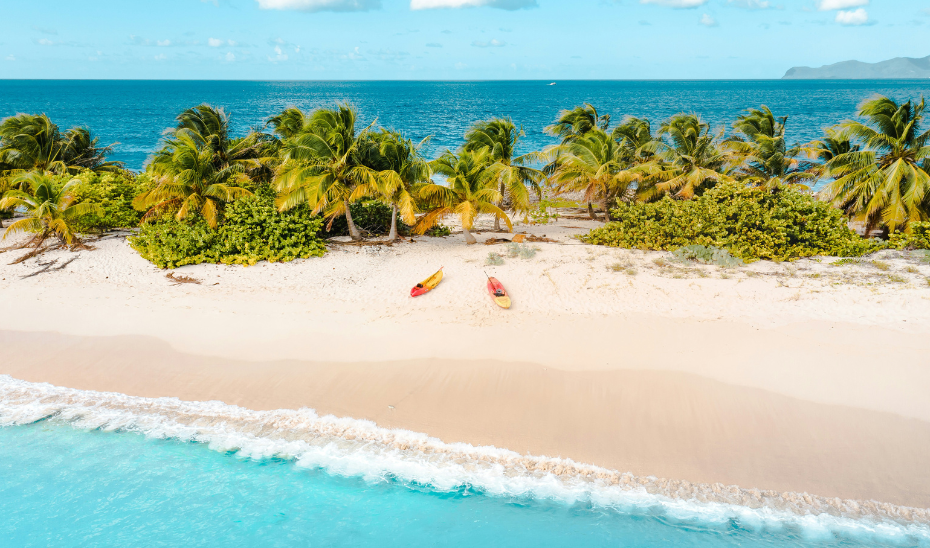
Sandy Island itself is basically the minimalist beach fantasy: a slim curve of sand, a handful of palms, and epic snorkeling over clear shallows. If someone ever needs a mental image for “tiny tropical escape,” this is it.
Choosing “Your” Grenada Beach (Even Though You’ll Probably Visit Six)
Trying to pick a single best beach in Grenada is like trying to pick the “best” spice on the Spice Isle; it mostly depends on what is being cooked up. A few simple rules of thumb help:
For the classic Caribbean fantasy with everything nearby: Grand Anse.
For calm water and a quieter vibe close to town: Morne Rouge (BBC Beach).
For reefy snorkeling and a bit more character: Magazine Beach.
For local life and weekend energy: Bathway.
For wild scenery and turtle stories: Levera.
For romance and long walks: La Sagesse and parts of Lance aux Épines.
For ultimate “away from it all”: Hog Island, Paradise Beach, and Sandy Island.
The real trick isn’t finding a good beach in Grenada—it’s accepting that “just one beach day” is never going to be enough. Sand has a way of multiplying in the schedule here, and honestly, that might be the most Grenadian problem anyone could hope for.